Welcome to visit ACADEMIC MONTHLY,Today is

Volume 57 Issue 12
December 2025
Article Contents

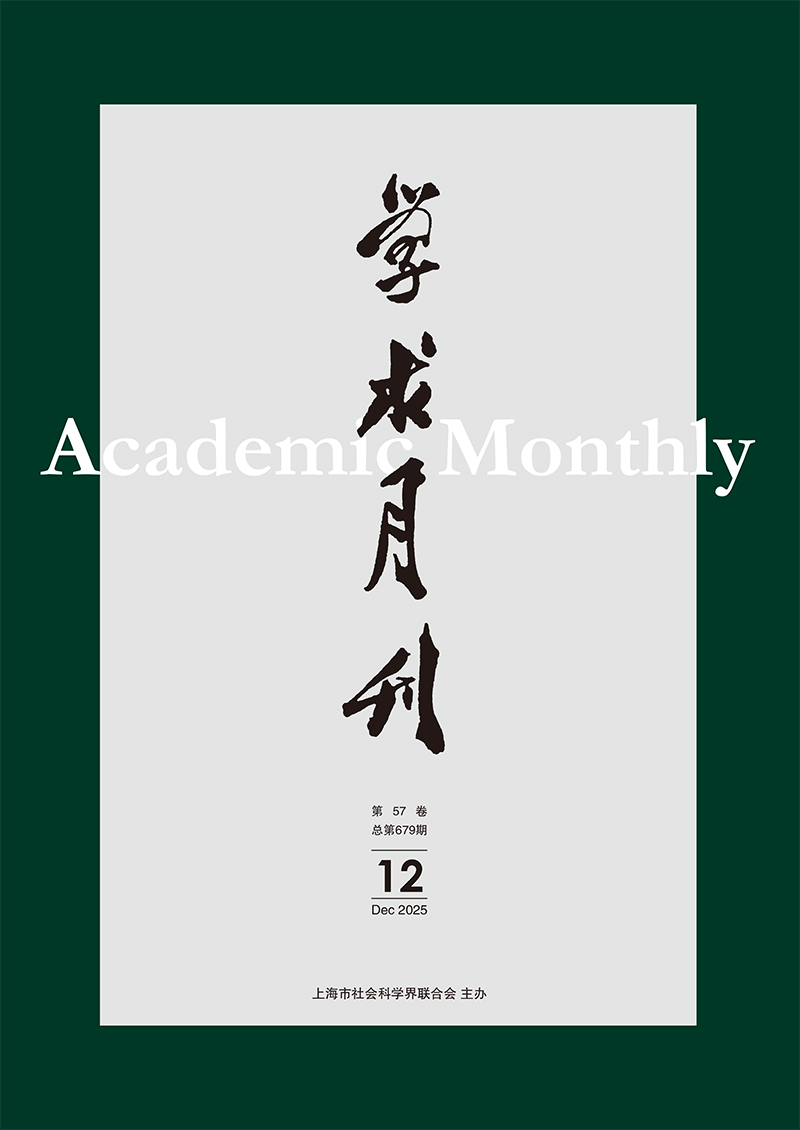
Citation: ZHOU Xinmin. The Transformation of Contemporary Chinese 'Short Stories' and Ancient Short Story Stylistic Traditions[J]. Academic Monthly, 2025, 57(12): 136-147. shu

The Transformation of Contemporary Chinese "Short Stories" and Ancient Short Story Stylistic Traditions

  • The term "short story" and its stylistic norms come from the West, which directly affects the occurrence and development of modern Chinese short stories. After the founding of PRC, out of the need to practice literary and artistic policies and the development of short story art itself, short stories began to build their own development path based on the Chinese short story tradition. The short stories of the Seventeen Years Period mainly transformed the tradition of the vernacular("话本") style, attached importance to stories, and advocated that short stories can "speak" and "talk". At the same time, in order to enhance the artistry of short stories, the "shortness" of Strange Tales from a Chinese Studio, the refinement of structure, and the subtlety of artistic expression are all promoted and learned. By the 1980s, "poetic pen ("诗笔")" tradition of legendary ("传奇") was relied upon by short stories. By drawing on the stylistic features of sketches("笔记")which do not emphasize structure and focus on narration, short stories have become part of the artistic trend of exploring the dissolution of "structural situations". The short stories advocated and created by Mo Yan in the new era reflect the integration of the tradition of vernacular and sketches. The transformation of contemporary Chinese "short stories" into ancient short story stylistic traditions is an effort for short stories to return to the origins of Chinese literature, and it is also the embodiment of continuing the history of China's own literature.
  • 加载中

Article Metrics

Article views: 46 Times PDF downloads: 0 Times Cited by: 0 Times

Metrics
  • PDF Downloads(0)
  • Abstract views(46)
  • HTML views(6)
  • Latest
  • Most Read
  • Most Cited
        通讯作者: 陈斌, bchen63@163.com
        • 1. 

          沈阳化工大学材料科学与工程学院 沈阳 110142

        1. 本站搜索
        2. 百度学术搜索
        3. 万方数据库搜索
        4. CNKI搜索

        The Transformation of Contemporary Chinese "Short Stories" and Ancient Short Story Stylistic Traditions

        Abstract: The term "short story" and its stylistic norms come from the West, which directly affects the occurrence and development of modern Chinese short stories. After the founding of PRC, out of the need to practice literary and artistic policies and the development of short story art itself, short stories began to build their own development path based on the Chinese short story tradition. The short stories of the Seventeen Years Period mainly transformed the tradition of the vernacular("话本") style, attached importance to stories, and advocated that short stories can "speak" and "talk". At the same time, in order to enhance the artistry of short stories, the "shortness" of Strange Tales from a Chinese Studio, the refinement of structure, and the subtlety of artistic expression are all promoted and learned. By the 1980s, "poetic pen ("诗笔")" tradition of legendary ("传奇") was relied upon by short stories. By drawing on the stylistic features of sketches("笔记")which do not emphasize structure and focus on narration, short stories have become part of the artistic trend of exploring the dissolution of "structural situations". The short stories advocated and created by Mo Yan in the new era reflect the integration of the tradition of vernacular and sketches. The transformation of contemporary Chinese "short stories" into ancient short story stylistic traditions is an effort for short stories to return to the origins of Chinese literature, and it is also the embodiment of continuing the history of China's own literature.

          HTML

        目录

        /

        DownLoad:  Full-Size Img  PowerPoint
        Return