Citation:
Guoquan CHEN. Economic Foundation, Government Form and Functional Separation Theory[J]. Academic Monthly, 2020, 52(11): 66-74.

Economic Foundation, Government Form and Functional Separation Theory
-
Abstract
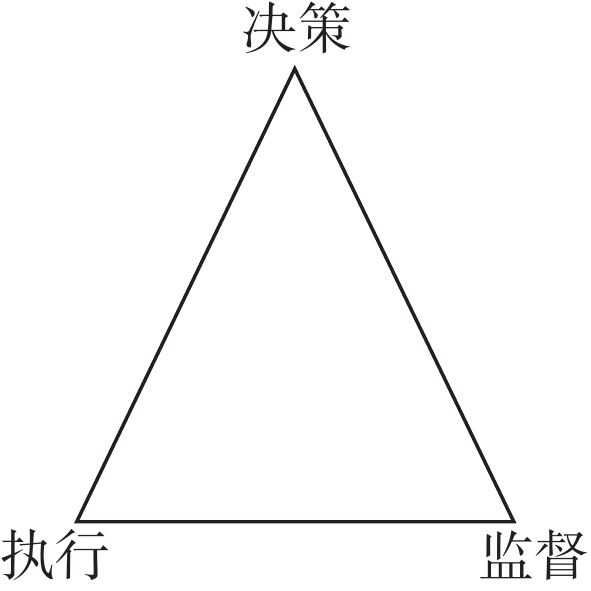
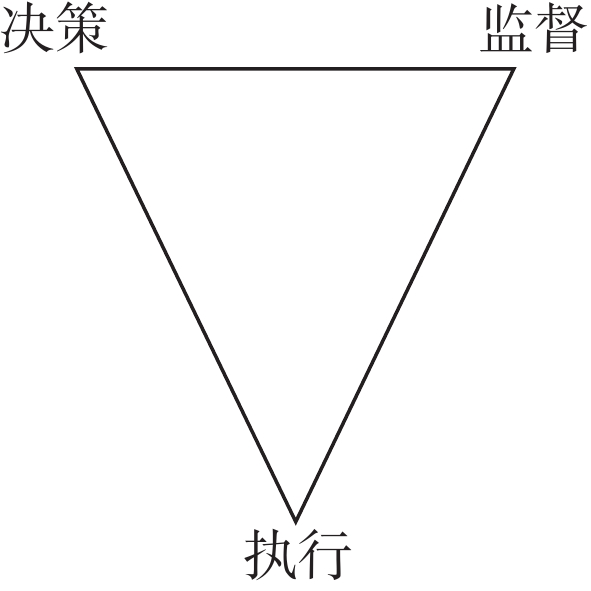
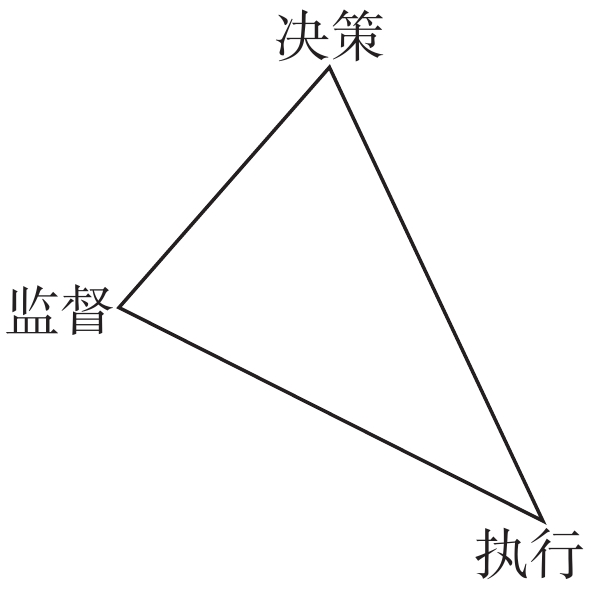
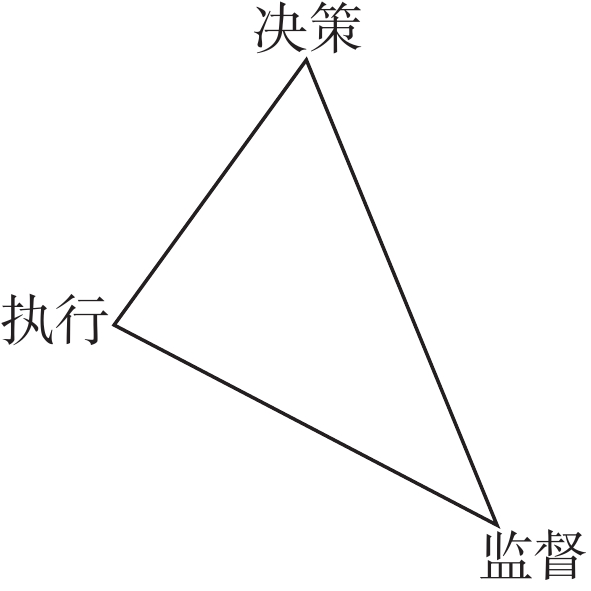
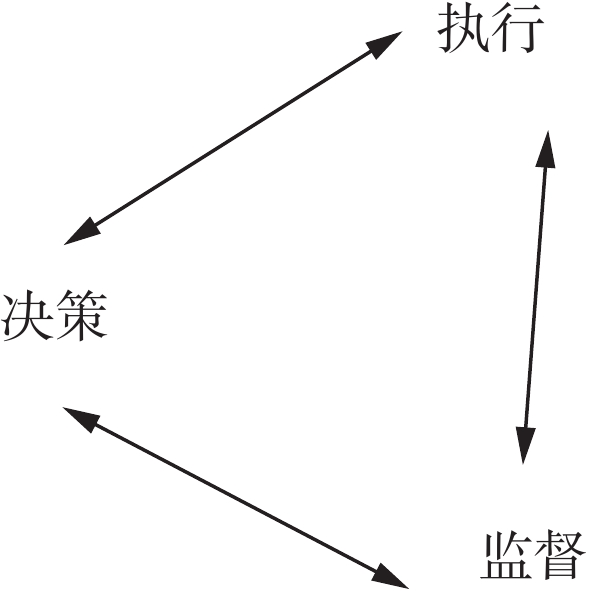
The division of decision-making power, executive power and supervision power is called functional separation. The ideal state of functional separation is that those three powers would form a power structure and operating mechanism which guarantee their mutual restriction and coordination. The economic foundation determines the superstructure, and the political idea, system and behavior must be adapted to the economic foundation. The economic foundation with public ownership as the main body requires effective management by the active government as to maintain and increase the value of public assets. The efficiency-oriented active government implies that the coordination takes precedence over restriction among public powers. Therefore, the integration of the political party and the state has an inherent driving force as they are more conducive to coordination. However, the integrity of the party and the state does not exclude divisions of political structure which include both the division of concrete governmental affairs and the division of abstract governmental functions. The division of political structure is an inevitable requirement for the complexity of national governance in that the division specialization not only improves the power efficiency, but the division itself would provide the basis for the power restriction as a whole.
-

-
References
-
Access
-
-
[1]
YANG Lan
, ZHOU Yahong
, XIAO Xinyue
. Digital Infrastructure, Relative Deprivation of Household Income, and Inclusive Development. Academic Monthly,
2026, 58(1): 71-83.
-
[2]
ZHANG Jun
, FANG Hongsheng
. Intergovernmental Fiscal Relations and Economic Growth. Academic Monthly,
2026, 58(8): 70-90.
-
[3]
DI Jinhua
, XIAO Mingjia
. The Production of Flexibility in Local Governments and the Softening of Budgetary Constraints——An Analysis Based on Township-Owned Enterprises in Xixiang. Academic Monthly,
2026, 58(1): 147-157.
-
[4]
LIN Shangli
. China's Mission in Constructing Original Theories and Its Methodological Foundation. Academic Monthly,
2026, 58(7): 5-11.
-
[5]
SHEN Yifei
. Theoretical Genealogies of the Emotional Economy and the Chinese Context. Academic Monthly,
2026, 58(7): 129-142.
-
[6]
YANG Dian
, DONG Shuhao
. The Social Construction of Economic Value——Evidence from Financial Markets, with a Discussion on Building a Valuation System with Chinese Characteristics. Academic Monthly,
2026, 58(1): 131-146.
-
[7]
LIU Wei
. Several Important Theoretical Issues Needing Further Clarification for the Growth and Expansion of the Private Economy. Academic Monthly,
2026, 58(7): 41-53.
-
[8]
WAN Yong
, LI Yalan
. Realizing the Function of Copyright Law in the Era of Artificial Intelligence. Academic Monthly,
2026, 58(7): 104-116.
-
[9]
FAN Jin
. Can World Literature Be Coded——Literary Ideas in an Age of Functional Differentiation. Academic Monthly,
2026, 58(8): 171-183.
-
[10]
LEI Lei
. Methodological Standpoint of Digital Jurisdiction: Functionalism, or Normativism?. Academic Monthly,
2026, 58(1): 108-119.
-
-


 沪公网安备 31010102003103号
 DownLoad: